

Foot peel masks have earned a devoted following, and a fair amount of skepticism. The process looks unusual, the timeline is longer than most skincare treatments, and the results, when they happen, can feel almost too dramatic to seem like a normal part of a routine.
So the honest answer to whether foot peels really work: yes, with the right expectations. The keyword is expectations. A foot peel mask is not an overnight fix, and understanding the full before, during, and after process is what separates people who get genuinely smooth results from people who give up halfway through and assume it did not work.
Here is exactly what happens at each stage, why it works the way it does, and how to get the most out of the process.
How Foot Peel Masks Actually Work
Before getting into the timeline, it helps to understand the mechanism. Foot peel masks use chemical exfoliation rather than physical scrubbing to break down built-up dead skin. The active ingredients, typically AHAs like glycolic acid and lactic acid, work by dissolving the bonds between accumulated dead skin cells and the newer skin underneath, allowing the old layer to shed gradually over several days.
This is different from a pumice stone or scrub, which physically removes the top layer by friction. Chemical exfoliation works deeper and more evenly, which is why the results from a foot peel mask tend to be more thorough and longer-lasting than scrubbing alone. It is also why the process unfolds over days rather than minutes.
Feet are an ideal candidate for this approach because the skin on the bottom of the foot is significantly thicker than skin elsewhere on the body. That thickness develops naturally from friction and pressure, and it means feet can tolerate and actually benefit from a more concentrated exfoliating formula than you would ever use on your face.

Before You Use a Foot Peel Mask
Getting the most out of a foot peel starts before you even open the package.
Soak your feet first. Soaking feet in warm water for 15 to 20 minutes before applying a foot peel mask helps soften the skin and allows the exfoliating ingredients to penetrate more evenly. Most people who see inconsistent peeling skipped this step or did not soak long enough. Softened skin responds more uniformly to the formula, which means more consistent results across the heel, arch, and ball of the foot.
Start with clean, dry feet. After soaking, pat feet completely dry before putting on the booties. Residual moisture can dilute the formula and affect how evenly it distributes during the wear period.
Time it right. Because the peeling phase happens over the following week or so, plan your foot peel for a period when you can wear closed shoes or socks if needed. Avoid scheduling a pedicure appointment within two weeks of using a foot peel mask, as the peeling process will still be active and a pedicure at that stage can interrupt results.
Do not exfoliate before PoshPeel. Avoid using a foot scrub or pumice stone in the days immediately before your foot peel. Exfoliating before a chemical peel can make skin more sensitive and may cause uneven results. It is also worth timing your treatment around your last pedicure or previous peel; waiting at least four weeks gives enough dead skin buildup time to accumulate so the formula has something meaningful to work with. Use a foot peel too soon after a pedicure or a previous treatment, and results will likely be underwhelming, not because the product failed but because there was not enough surface buildup present for the exfoliating acids to act on.
Pro tip: If you want to see more dramatic or faster peeling, consistent soaking of your feet in warm water for ten minutes a day after the treatment activates the process and can noticeably speed up the shedding timeline.
During: What the Wear Period Feels Like
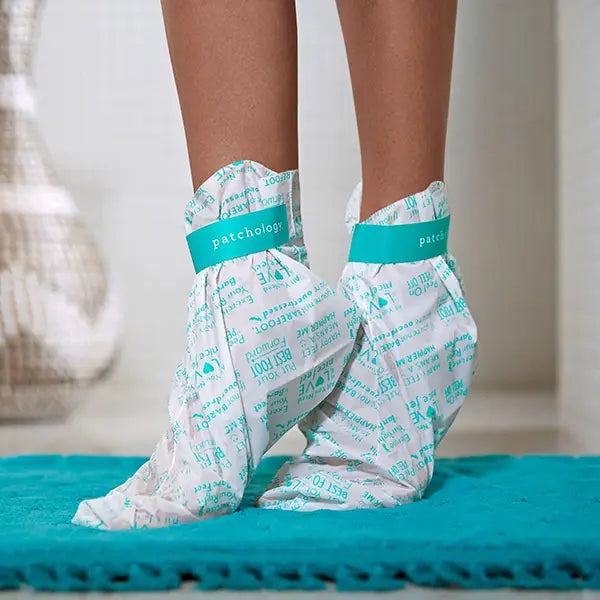
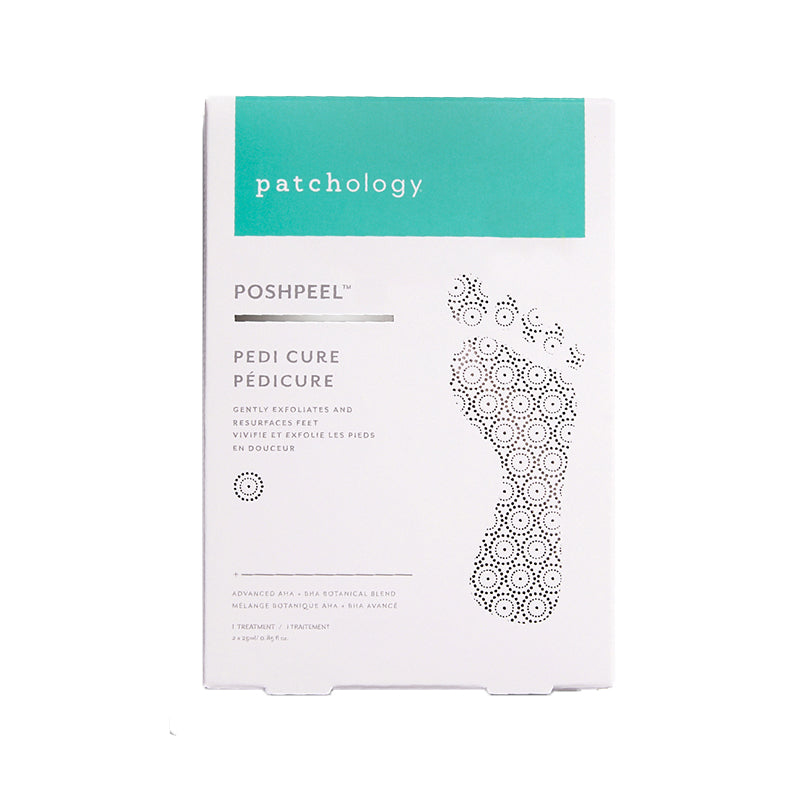
Once your feet are clean and dry, the booties go on and you wear them for the time indicated on the packaging, typically 60 to 90 minutes depending on the formula. PoshPeel Pedicure Exfoliating Foot Peel is designed to be worn for this window, giving the formula enough contact time to work into the built-up layers without overdoing it.
During the wear period, some people feel a mild tingling sensation. This is the AHAs getting to work on the surface buildup. If you feel any significant burning or discomfort, remove the booties and rinse thoroughly. Mild tingling is normal; anything more intense is a signal to stop.
After the wear time is up, remove the booties and rinse your feet thoroughly with warm water. At this point your feet will look exactly the same as they did before. Nothing visible has happened yet.
This is the part that surprises most first-time users. The exfoliating acids have begun the process of loosening dead skin, but the actual shedding happens over the following days as that loosened skin naturally separates. You will not see any peeling immediately after rinsing, and that is completely normal.
After: The Peeling Timeline
The days following a foot peel mask are where the results become visible, and understanding what is normal here is what prevents most people from abandoning the process too early.
Days 1 to 3: Nothing looks different. The formula has done its work chemically, but the skin has not begun to visibly separate yet. Continue your normal routine — moisturize lightly if needed but avoid heavy creams, foot soaks, or additional exfoliation.
Days 3 to 5: Skin typically begins to look slightly tight or crinkled, particularly on the heels and ball of the foot. This is the beginning of the separation process. The skin is not damaged — it is starting to shed.
Days 5 to 10: The peeling becomes visible and, for many people, fairly dramatic. Large sheets or smaller flakes of dead skin begin to separate, often starting at the edges of the heel and working inward. This is normal and expected. It is not a sign that something went wrong.
How long do feet peel after a foot mask? Most people see the majority of peeling complete within 7 to 14 days, with the heaviest shedding typically happening around days 5 through 9. The full process runs its course naturally once it starts.
Do not pick or peel. This is where patience matters most. Pulling skin that is not ready to come off yet can cause discomfort and disrupts the natural shedding cycle. Let it happen on its own timeline. Daily soaking in warm water during this period helps loosen skin naturally and can make the process feel more satisfying without forcing it.
How to make your feet peel faster after a foot mask: Soaking feet in warm water for 10 to 15 minutes daily after day three is the most effective way to encourage peeling to progress. Gentle walking also helps, as natural friction speeds up the process in areas where buildup was thickest.
Once the peeling is complete, the skin underneath is noticeably softer and smoother. It also absorbs moisture significantly better than it did before, because the thick outer layer that was blocking hydration is gone. This is the right time to begin a consistent moisturizing routine to maintain those results.
Does a Foot Peel Work If Nothing Happens?
One of the most common concerns is that the peel did not work — either peeling was minimal or did not happen at all. A few things to check:
Soak time before application. This is the most common reason for disappointing results. If feet were not adequately softened beforehand, the formula cannot penetrate evenly and peeling is often incomplete.
Wear time. If the booties were worn for significantly less than the recommended time, the formula may not have had enough contact to work fully.
Skin condition. Very thick calluses may require more than one treatment to see full results. A second round two to four weeks after the first, with proper preparation, usually delivers a more noticeable outcome.
Moisturizer residue. Heavy foot cream applied the same day as the treatment can create a barrier that reduces how well the formula absorbs. Start with completely clean, product-free skin.
For a deeper look at what can go wrong and how to fix it, our troubleshooting guide for foot peels covers the most common issues in detail.
 After Peeling: How to Maintain Results
Once the peeling cycle is complete, the maintenance phase is simple and genuinely worth keeping up with. Freshly exfoliated skin responds to moisturizer dramatically better than it did before — if you have ever applied lotion to dry feet and felt like it absorbed instantly, that is what skin without the buildup barrier feels like.
Moisturize consistently. Daily application of a rich foot cream in the weeks after a peel keeps new skin hydrated and prevents rapid rebuildup. This step has a direct effect on how long results last.
Exfoliate lightly every few weeks. Once the deep peel is done, gentle maintenance exfoliation, a soft foot brush or very light pumice, once every week or two helps manage surface buildup before it accumulates again. How often should you exfoliate your feet after a foot peel? Light maintenance once weekly is usually plenty; another full peel treatment every six to eight weeks works well for most people to keep texture consistently smooth.
Wear breathable footwear when possible. Friction from tight shoes accelerates callus formation. Giving feet room to breathe between workouts and long days of walking extends results.
What About Chemical Peels for Feet vs At-Home Peel Masks
A professional chemical peel for feet uses a similar acid-based approach but is applied in a clinical setting at higher concentrations. At-home foot peel masks like PoshPeel use lower concentrations that are safe for self-application while still delivering visible results. The tradeoff is that professional treatments tend to work faster, while at-home masks require more patience but can be done on your own schedule, cost significantly less, and can be maintained regularly without booking appointments.
For the vast majority of people dealing with rough heels, dry buildup, or generally uneven foot texture, an at-home foot peel mask is entirely capable of delivering the results they are looking for. PoshPeel Pedicure Exfoliating Foot Peel is formulated to do exactly that, reset foot texture gradually without scrubbing, tools, or a spa visit.
As Healthline notes in their guide to foot care and exfoliation, chemical exfoliation is well tolerated on thicker skin areas like feet and can produce meaningful improvements in texture when used correctly and consistently.
Frequently Asked Questions
 Do foot peel masks really work? Yes. Foot peel masks use AHA acids to break down the bonds holding dead skin buildup on the surface of the foot. When used correctly with proper preparation, particularly soaking before application, they reliably produce smoother skin over a 7 to 14-day process. Results vary based on how much buildup is present and how closely the instructions are followed.
Why did my foot peel mask not peel much? The most common reason is timing. If a pedicure, foot scrub, or previous peel was done within the last four weeks, there may not have been enough dead skin buildup present for the formula to work visibly. Foot peel masks need accumulated surface buildup to deliver dramatic results — wait at least four weeks from your last treatment and soak thoroughly beforehand for the most noticeable outcome.
How long does it take for feet to peel after a foot mask? Most people begin to see visible peeling between days 3 and 5. The most active shedding typically happens between days 5 and 10. The full peeling cycle usually completes within 7 to 14 days from the time of treatment.
How do I make my feet peel faster after a foot mask? Soaking feet in warm water for 10 to 15 minutes daily after day three is the most effective way to speed up the shedding process. Natural foot movement and light friction also help. Avoid picking or pulling skin that has not separated on its own.
Should I moisturize my feet after a foot peel mask? Light moisturizing during the peeling phase is fine and helps keep skin comfortable. Once peeling is complete, consistent daily moisturizing is important for maintaining results and preventing rapid rebuildup.
How often should you use a foot peel mask? Every six to eight weeks is a reasonable cadence for most people. This allows the skin enough time to complete the full shedding and recovery cycle before repeating. Between treatments, light weekly exfoliation helps maintain texture.
Can a foot peel mask ruin your feet? When used as directed, foot peel masks are safe for most people. The most common issue is over-application or using a mask on skin that has open cuts, wounds, or active skin conditions. If you have diabetes, neuropathy, or peripheral circulation concerns, consult a healthcare provider before using a chemical foot exfoliant.
The Bottom Line
Foot peels work, but they work on their own timeline, and that timeline is longer than most skincare. Understanding the full arc from preparation through the peeling phase and into maintenance is what makes the difference between underwhelming results and genuinely smooth, noticeably improved skin.
Prepare properly, let the process run its course, and follow up with consistent hydration. That combination is more effective than any single product decision.
For a deeper look at the aftercare process specifically, Patchology's complete aftercare guide for foot peel masks covers the full post-treatment routine in detail. And if you have already used a foot peel and want to avoid common pitfalls next time, 11 mistakes people make when using a foot peel is worth a read before your next treatment.